
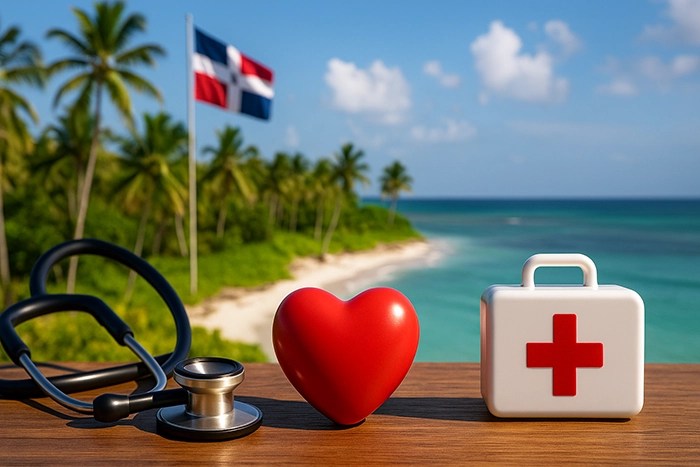
If you’re considering a move to the Dominican Republic, healthcare is likely one of your top concerns. Is it reliable? Is it affordable? And how does it compare to what you’re used to in the U.S. or Canada?
The truth is: the Dominican Republic offers modern, accessible, and affordable healthcare—if you understand how the system works. This guide breaks down the differences between public and private care, what it costs, how insurance works, and why most expats rely on private options.
Public vs. Private Healthcare in the Dominican Republic
The Dominican Republic has two primary healthcare systems: public and private.
Public Healthcare
Public healthcare is funded by the government and available to citizens and legal residents through the SENASA system. It’s free or low-cost, but the quality of care varies widely.
- Long wait times
- Basic facilities with limited equipment
- Mostly Spanish-speaking staff
- Common to bring your own supplies
- More dependable in major cities than rural areas
Expats typically do not rely on the public system as their main source of care.
Private Healthcare
Private healthcare in the Dominican Republic is high-quality, accessible, and widely used by expats and middle- to upper-income locals.
- Modern hospitals and clinics with updated equipment
- Short wait times
- English-speaking doctors often available
- Personalized care
- Located in major cities and tourist regions
Most expats choose private healthcare for day-to-day medical needs, emergencies, and specialist care.
Health Insurance Options for Expats
If you want access to the private system, you’ll need insurance—or be prepared to pay out of pocket.
Local Private Insurance
Local insurance plans are available from companies such as Humano, Mapfre, and Universal. These plans cover most private hospitals and clinics, with monthly premiums typically ranging from $40 to $100 USD.
Who Can Qualify?
Most local insurers require the following:
- Legal residency (temporary or permanent)
- A valid Dominican cédula (national ID)
- Proof of age and health status (some plans have age caps or medical evaluations)
Some providers may allow foreigners without residency to apply, but options are more limited and may cost more. If you’re not a resident yet, you may need to rely on international insurance or pay out of pocket until you qualify.
International Expat Insurance
These policies are available globally through providers like Cigna, Allianz, IMG, and others. They’re more expensive but offer broader coverage, including:
- Emergency evacuation
- Dental and vision
- International hospital access
International insurance is ideal for those who travel often or haven’t yet secured legal residency in the DR.
Public Insurance (SENASA)
This is only available to legal residents with a Dominican cédula. It provides access to public hospitals and clinics but has limited coverage, long wait times, and is not recommended as a primary option for expats.
What Does Healthcare Cost?
Private care in the Dominican Republic is significantly more affordable than in North America. Even without insurance, basic visits and diagnostics are often cheaper than co-pays in the U.S.
| Service | DR Private Care | U.S. (No Insurance) | Canada (Private Clinic) |
|---|---|---|---|
| General doctor visit | $30–$70 USD | $150–$300 USD | $100–$250 CAD |
| Specialist appointment | $50–$100 USD | $300–$500 USD | $150–$350 CAD |
| Lab tests or imaging | $50–$150 USD | $250–$500 USD | $100–$300 CAD |
| Minor outpatient procedure | $300–$800 USD | $2,000–$10,000 USD | Often not available |
| Private insurance (monthly) | $40–$100 USD | $300–$800 USD | N/A |
Wait Times
The speed of care is one of the main reasons expats prefer the private system.
- Public system: Waits can last weeks or months, especially for specialists or non-urgent procedures.
- Private system: Appointments are often available same-day or within 48 hours. Tests and results are typically handled in-house, minimizing delays.
Compared to Canada’s long wait times and the U.S.’s high costs, private healthcare in the DR is both faster and more affordable.
Pharmacies and Medications
Pharmacies are widely available, including 24-hour locations in major cities. Many prescription medications are sold over the counter, and prices are generally much lower than in North America.
It’s smart to check in advance if you take a brand-name medication, as availability can vary.
Final Thoughts
The Dominican Republic offers high-quality, affordable healthcare—especially for those who use the private system. With insurance, most services are accessible, fast, and affordable. Even out of pocket, costs are far below what you’d expect in the U.S. or Canada.
If you’re moving to the DR, don’t rely on assumptions. Take the time to understand how healthcare works, what insurance options fit your situation, and how to qualify. With the right plan in place, you can enjoy the lifestyle you want—without sacrificing access to care.


 Own Dominican
Leave a comment